Maintaining clean, clear plumbing drains is a fundamental aspect of residential upkeep that directly influences the longevity and performance of your home's water system. Over time, everyday organic waste, soap scum, cooking fats, and hair accumulate along the interior walls of your drainpipes, creating dense blockages that restrict wastewater flow. Unaddressed clogs cause slow drainage, foul odors, and severe pressure buildup that can compromise pipe joints. Prioritizing routine drain cleaning prevents unexpected plumbing emergencies, protects your property from water damage, and ensures a hygienic living environment for your entire household.
Understanding the Mechanics of Your Residential Plumbing System
A successful approach to drain cleaning begins with a clear understanding of your home's underlying drainage architecture. Residential plumbing relies on gravity to carry wastewater away from fixtures through a network of sloped branch lines that feed into a central sewer stack. Key components like P-traps use standing water to create an airtight seal that prevents sewer gases from entering your living spaces. Recognizing how fixture drains connect to main lines helps homeowners pinpoint whether a slow drain is an isolated local clog or a symptom of a deeper main line obstruction.
Different fixtures throughout your home collect distinct types of debris and require specialized care. Kitchen sinks suffer from grease solidification, fibrous food scraps, and starch buildup, whereas bathroom drains primarily capture hair, toothpaste, and soap binder scum. Floor drains in basements or laundry rooms collect heavy sediment, lint, and grit that require periodic clearing. Differentiating these drainage environments allows you to apply targeted maintenance strategies rather than relying on a generic, single-solution approach.
Identifying common clog culprits early allows you to take corrective action before complete pipe blockages occur. Flushing non-biodegradable items, pouring cooking oil down sinks, or ignoring slow-draining water accelerates internal pipe corrosion and debris accumulation. Additionally, external factors such as invasive tree roots can penetrate underground sewer lines, snagging passing debris and causing systemic backups. Understanding both internal usage habits and external risks equips property owners to maintain smooth, trouble-free drainage.
Familiarizing yourself with basic plumbing terminology improves communication with professional service technicians when complex repairs are needed. Understanding components like cleanouts, vent stacks, and shut-off valves allows you to explain drainage symptoms accurately. Vent pipes, for example, regulate internal system pressure to allow wastewater to flow freely without creating vacuum locks. Knowing how these components interact ensures you can perform basic maintenance safely while recognizing when an issue requires professional equipment.
Conducting regular visual inspections of exposed drain lines under sinks and near appliances helps catch minor issues before they turn into major structural failures. Inspecting pipe joints for moisture droplets, mineral crusting, or subtle stress cracks prevents hidden leaks. Catching minor plumbing defects early protects your home from structural mold growth and subfloor rot. According to the EPA, approximately 5% to 10% of U.S. homes have easy-to-fix leaks that waste 90 gallons per day or more, underscoring the financial and environmental value of routine inspections.
Assembling Essential Drain Cleaning Tools and Supplies
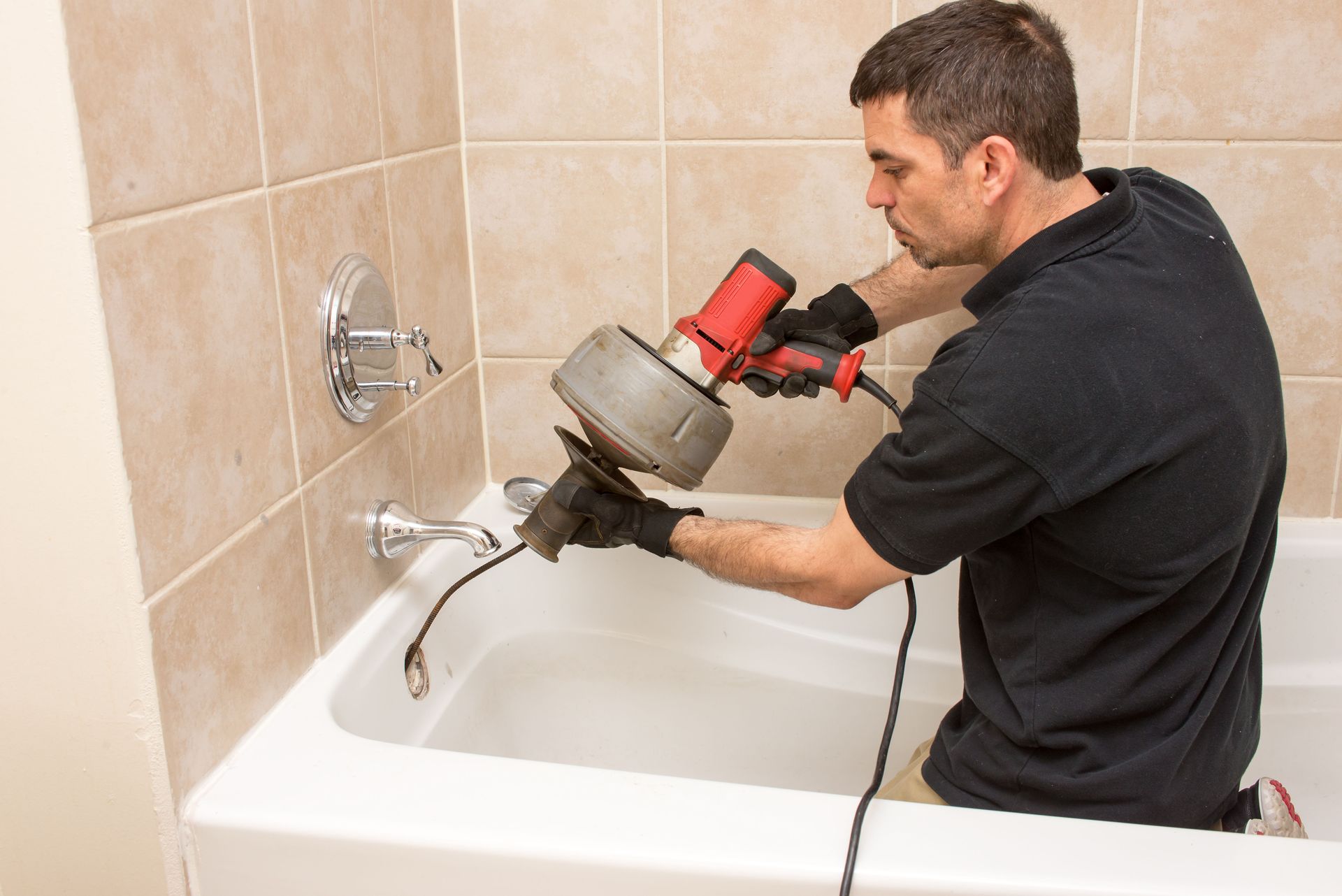
Equipping your workshop with the right mechanical tools is essential for managing unexpected household clogs effectively. A standard cup plunger works exceptionally well on flat sink and tub drains, while a flange plunger provides the necessary seal for toilet bowls. For deeper obstructions, a manual drum auger or flexible drain snake can reach deep into branch lines to break up or retrieve stubborn blockages. Having these basic tools readily accessible ensures you can address minor drain issues immediately without causing pipe damage.
Chemical and biological clearing agents offer additional options for clearing organic debris, but they must be selected with caution. Enzymatic and bacterial drain treatments break down organic grease, hair, and soap scum naturally without generating harsh chemical heat. Conversely, heavy caustic chemical cleaners can degrade older metal pipes and melt plastic fittings if overused. Selecting eco-friendly, non-corrosive clearing solutions maintains clear pipe interiors while protecting your home's long-term plumbing investment.
Creative household alternatives can also clear minor organic build-up safely without using harsh synthetic chemicals. Pouring a mixture of baking soda followed by warm household vinegar creates an effervescent reaction that loosens light grease deposits and neutralizes sewer odors. Following up with a flush of boiling water helps wash away loosened organic film from pipe walls. Utilizing gentle, natural cleaning methods regularly provides a safe, accessible way to maintain clear drains without damaging internal pipe seals.
Prioritizing personal safety equipment is critical whenever you are performing mechanical or chemical drain cleaning. Wearing durable nitrile or heavy rubber gloves protects your hands from harsh cleaning agents, sharp drain fittings, and bacteria present in standing wastewater. Safety goggles shield your eyes from accidental chemical splashes or debris ejected by spinning drain augers. Using proper personal protective gear guarantees you can clear stubborn blockages safely without risking personal injury or skin irritation.
Specialized plumbing systems require advanced diagnostic equipment to locate and clear deep underground obstructions safely. Professional technicians utilize high-resolution fiber-optic sewer cameras to inspect main lines, identifying pipe collapses, offset joints, or tree root intrusion. For severe grease blockages, commercial hydro-jetting equipment uses high-pressure water streams to scrub interior pipe walls clean. Recognizing when a complex blockage exceeds the reach of basic handheld tools ensures you seek professional assistance before damaging your pipes.
Implementing Proactive Preventive Maintenance Routines
Establishing consistent, weekly cleaning habits prevents organic debris from solidifying inside your branch lines. Installing fine-mesh drain strainers over kitchen sinks, shower basins, and tub drains catches hair, food particles, and debris before they enter your plumbing. Cleaning these strainers daily keeps heavy particulates out of your drainpipes entirely. Developing simple preventative habits across your household drastically reduces the frequency of stubborn, unexpected clogs.
Proper waste disposal habits are equally vital for maintaining uninterrupted wastewater flow throughout your property. Educating family members about what can and cannot be flushed prevents severe main line blockages. Cooking fats, coffee grounds, paper towels, and personal hygiene products should be disposed of in household trash receptacles rather than down sink drains or toilets. Keeping non-dissolvable materials out of your drainage network protects municipal sewer infrastructure and prevents sewage backups.
Seasonal maintenance routines help protect exterior drainage lines and household plumbing from weather-related damage. In autumn, clearing leaves and yard debris from outdoor storm drains and gutter downspouts prevents standing water from backing up around your foundation. Before winter temperatures drop below freezing, insulating exposed drain lines in unheated basements or crawlspaces prevents ice blockages and pipe bursts. Taking seasonal precautions ensures your drainage system remains operational year-round.
Adopting eco-friendly drain cleaning practices conserves water resources while protecting local aquatic environments. Avoiding harsh chemical cleaners prevents toxic synthetic compounds from washing into municipal wastewater treatment facilities and surrounding natural waterways. Furthermore, maintaining free-flowing drains allows plumbing fixtures to operate at peak efficiency without overflowing. Conscious maintenance preserves internal pipe integrity while supporting broader community environmental sustainability.
Knowing when to transition from DIY efforts to professional intervention is key to preserving your plumbing system. While handheld plungers and manual snakes resolve minor surface clogs, recurring multi-fixture backups indicate a deeper main sewer line issue. Attempting to force heavy augers through unfamiliar lines can puncture fragile pipes or break equipment inside the line. Entrusting complex, persistent blockages to experienced specialists like Ava's Plumbing guarantees your system receives thorough diagnostic evaluations, safe high-pressure cleaning, and reliable long-term protection.